1. Had a big depression attack yesterday, though thanks to the progress I’ve made with a new counselor, it wasn’t nearly as bad as attacks in the past. Previously, I would have been freaking out and in constant pain. This time it was just a heavy unhappiness and listlessness that made doing any kind of work like pulling teeth while also making me anxious that I wasn’t getting anything done.
The thing is that I didn’t try to break out of it this time. I recognized what was happening, quietly cancelled any appointments I had (that reduces the stress by a lot right there), and just let myself sit in the depression.
2. I also found a form of therapy by making Loyalist Memes. I just sat down and made meme after meme, trying to make myself and a few friends laugh, and that sort of carried me through the evening.
I’ve been very nice this week and not posted any snarky comments on people’s 4th of July Posts, though it has been tempting. Since we’re a few days out, though…
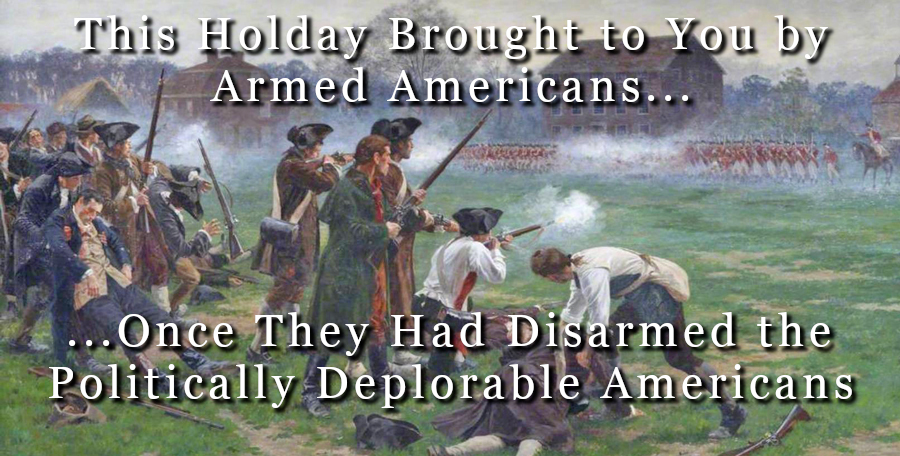
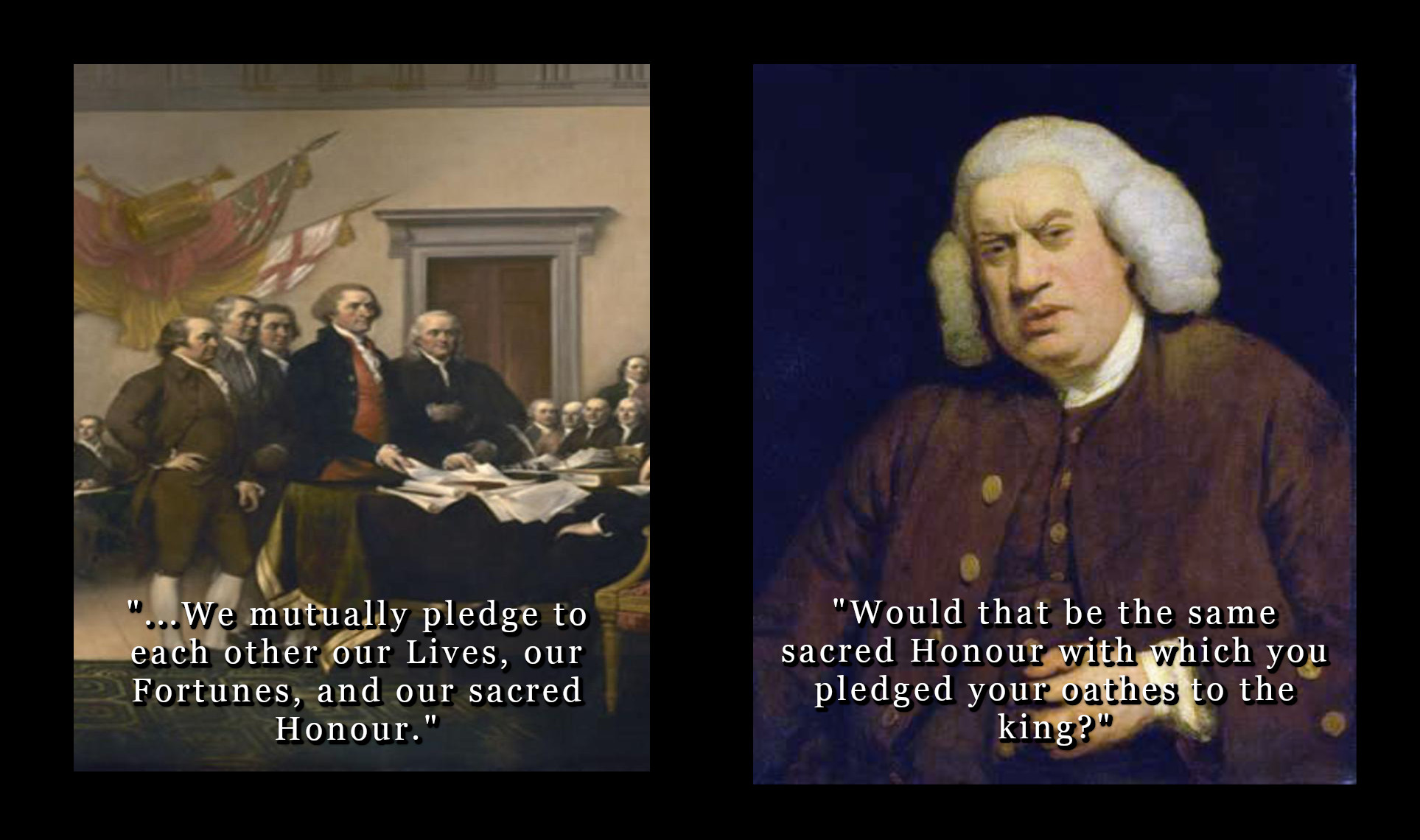
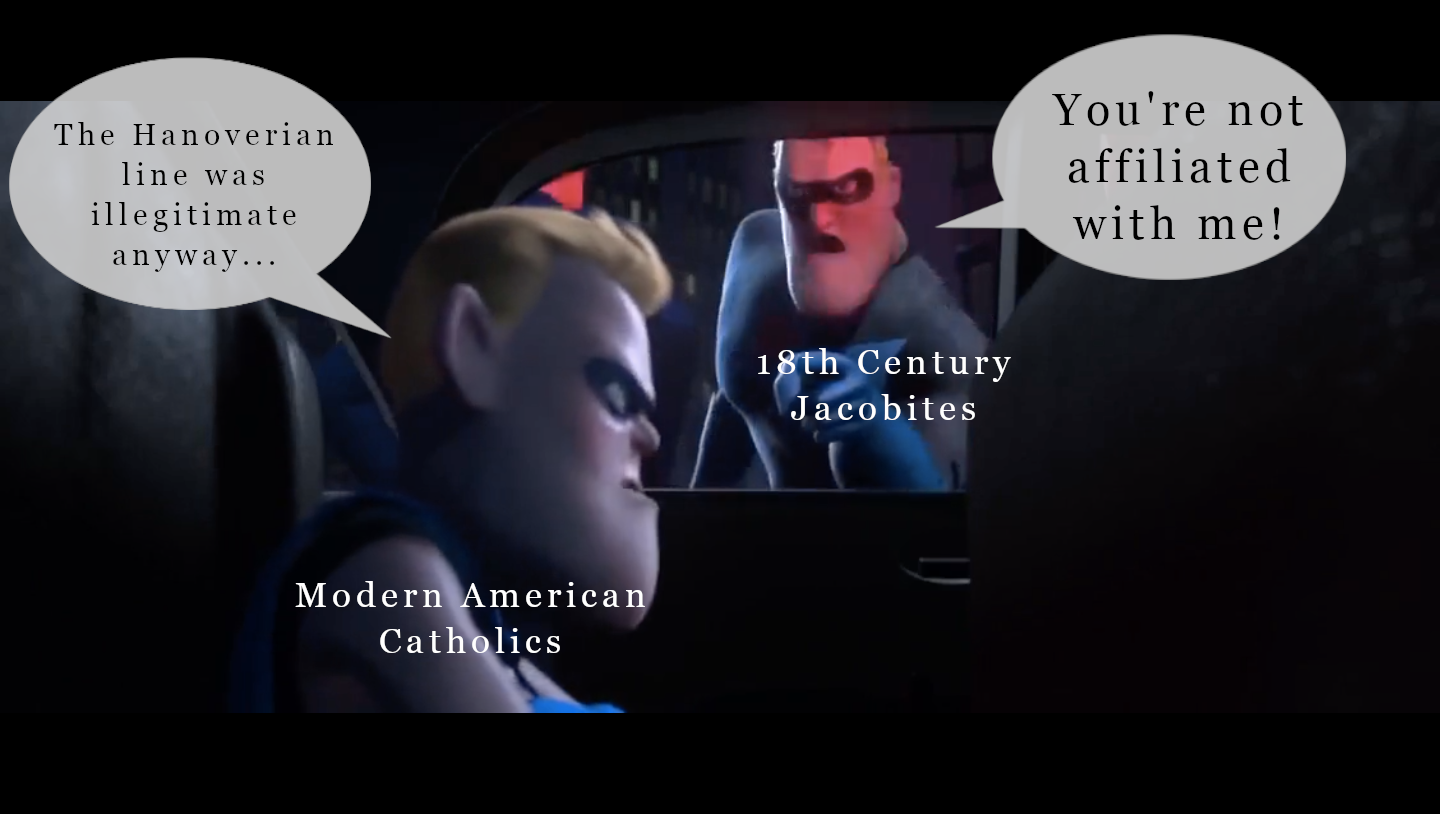
3. Regarding the first one, I find this aspect of things fascinating: modern Conservatives love citing the Revolution as an instance of the principles of the 2nd Amendment in action, and even framing the lead-up to Lexington and Concord as the British coming to take the colonists’ guns.
But as far as historical analogies go, it actually tells in the opposite direction: the Patriots, by the authority of the Continental Congress, had been confiscating arms from their Loyalist neighbors and anyone who wasn’t sufficiently onboard with their agenda for a while at that point. On the other hand, the guns the British were going to seize at Concord were an arms stockpile (almost certainly including many of those confiscated from Loyalists), not privately held weapons.
In short, the Patriots were the ones confiscating private arms in order to solidify their political power in the lead up to the war, not the British (though I’ll grant you part of that was because the latter didn’t have the means to do so even if they’d wanted to). The Revolution is what happens if you let them take your guns.
4. Now, you might be asking “what’s the point? Isn’t pushing Loyalism these days like beating a dead horse?” To which I’d answer, no, not at all. It’s more like beating the armchair that was made using glue taken from the dead horse. That is, if we’re just discussing who had the better case in the political debates of the 1760s and ’70s (that part I mostly just find funny).
But Loyalism isn’t only a matter of who should have won the Revolution; it’s a particular way of understanding our nation. Broadly put, Loyalism does not equate the American Nation with the American Republic. It dismisses all that ‘shining city on the hill,’ ‘last best hope of mankind,’ ‘most perfect form of government ever devised’ nonsense as both false and irrelevant. The important thing is not whether we have a great Constitution or are the most free and moral people in the world (that’s as may be); the important thing is that we are ourselves, a people with a particular culture, language, and heritage.
That’s why I like dating the National Birthday to May 14th, 1607 rather than July 4th, 1776.
5. Or, to put it simply, Loyalism means preferring Piety to Liberty: that honoring our obligations and where we came from is more important than being able to do as we please. And indeed, that true Liberty is only found in Piety.
6. I should also make it clear that criticizing and laughing at the Revolution is done purely in a historical context, of what I think constituted honorable or reasonable behavior at the time, not in terms of what I think would have been better in the long term. That’s something we can’t possibly know (and, even more emphatically, what they could not possibly have known). I love the country as it developed, and I love the vast, crazy history of it, which certainly wouldn’t have happened if things had gone differently. Like a girlfriend born out of wedlock, being glad we have it doesn’t require us to approve of its origins.
7. In short, I’m not a Loyalist because I hate my country or wish it to disappear; I’m a Loyalist because I think the principles of Loyalism are the best (actually only) way of preserving and bettering my country.
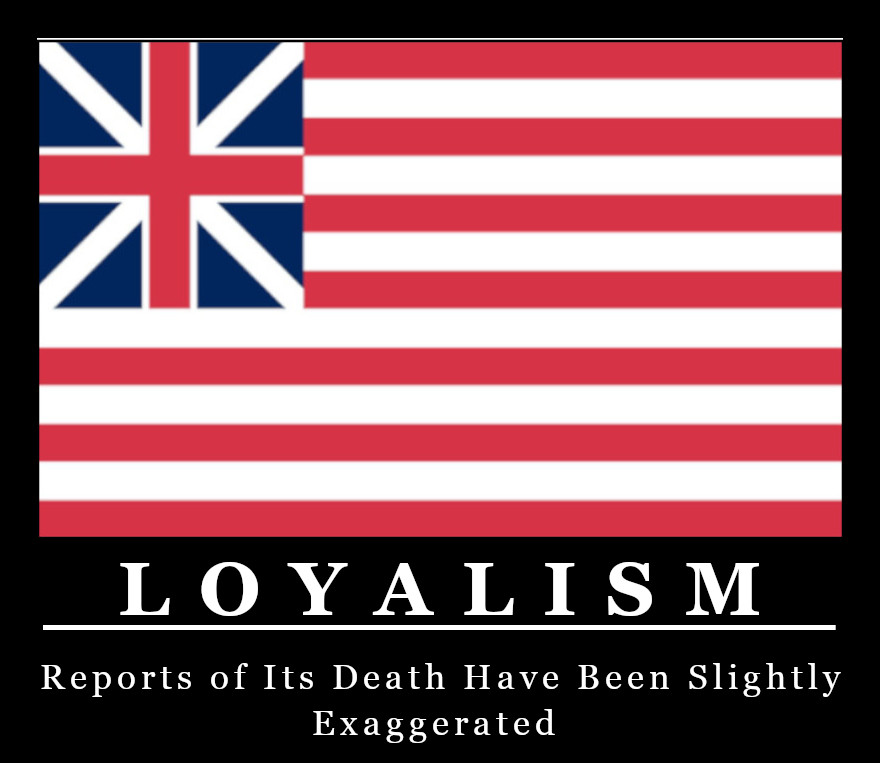
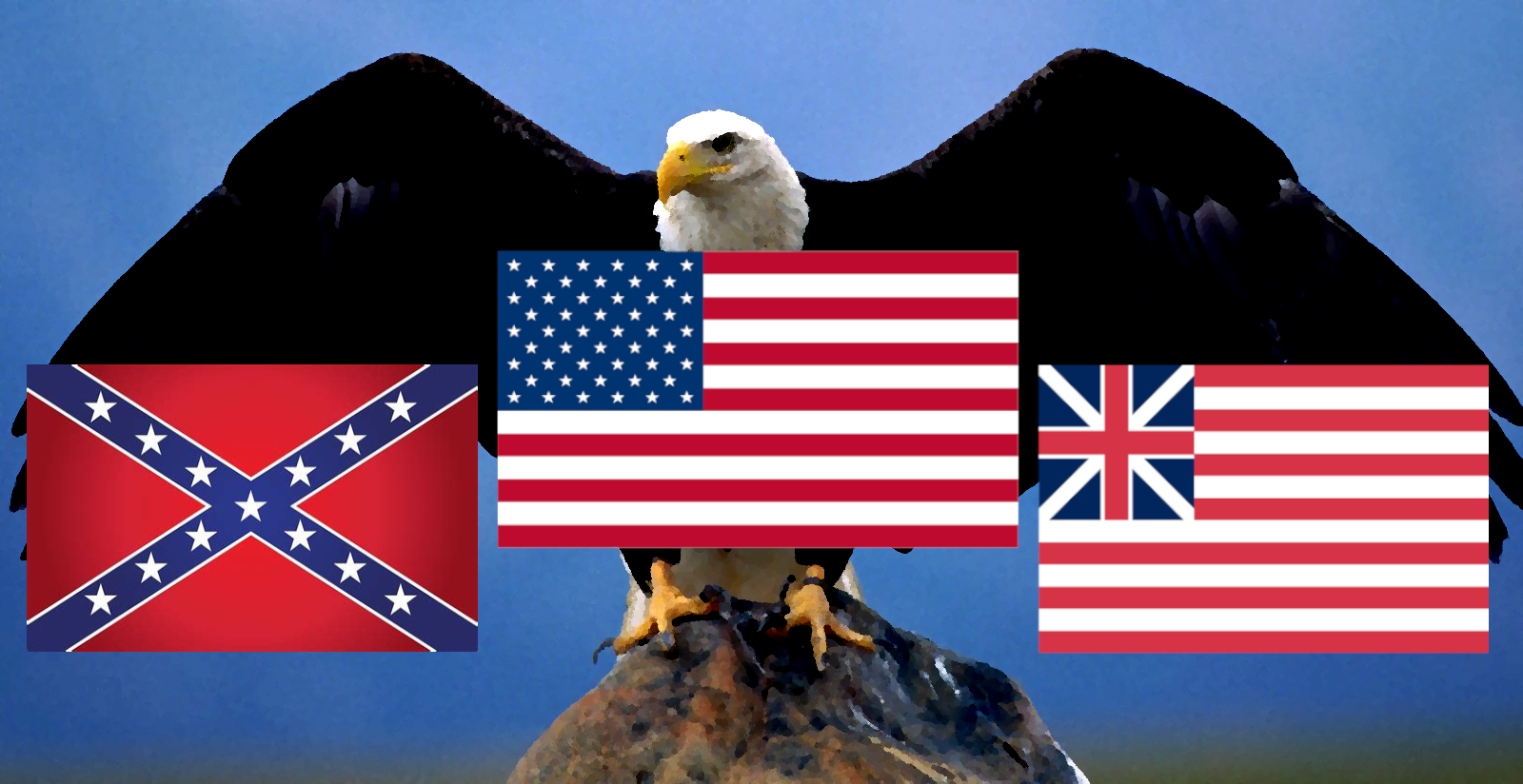
With that in mind, here’s one more meme, which kind of embodies my vision for the nation:
 Serpent's Den